Enabling Tech Knowledge Repository and Community of Practice Website & Metadata
Making Development and Digital Rights Work More Visible
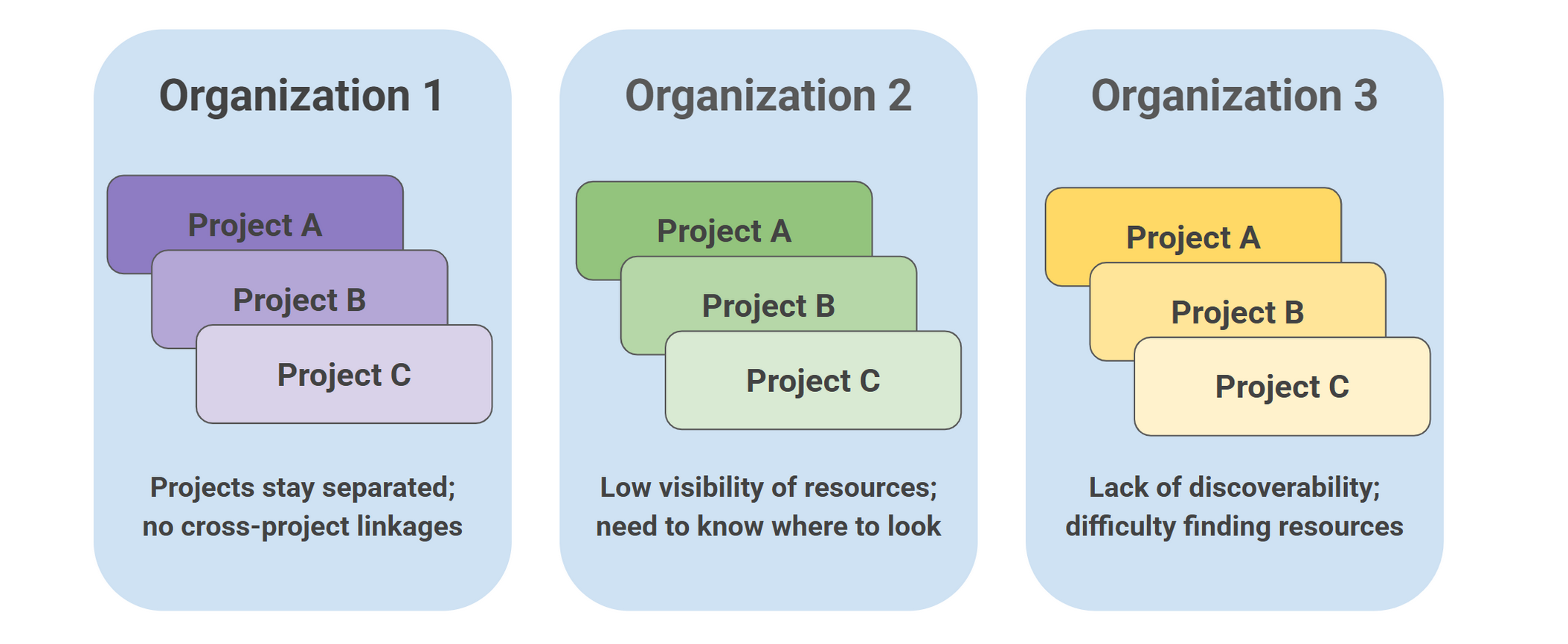
Civil society organizations (CSOs) produce a vast amount of valuable knowledge resources, including reports, articles, statements, toolkits, educational materials, and much more. Too often, these valuable works remain stuck in organizational silos - uploaded to one organization’s website, buried in an archive, or shared only within a limited network - and as a result, important learnings from the ground can be hard to discover, share, and build upon. This is where a dedicated knowledge repository and metadata can help.

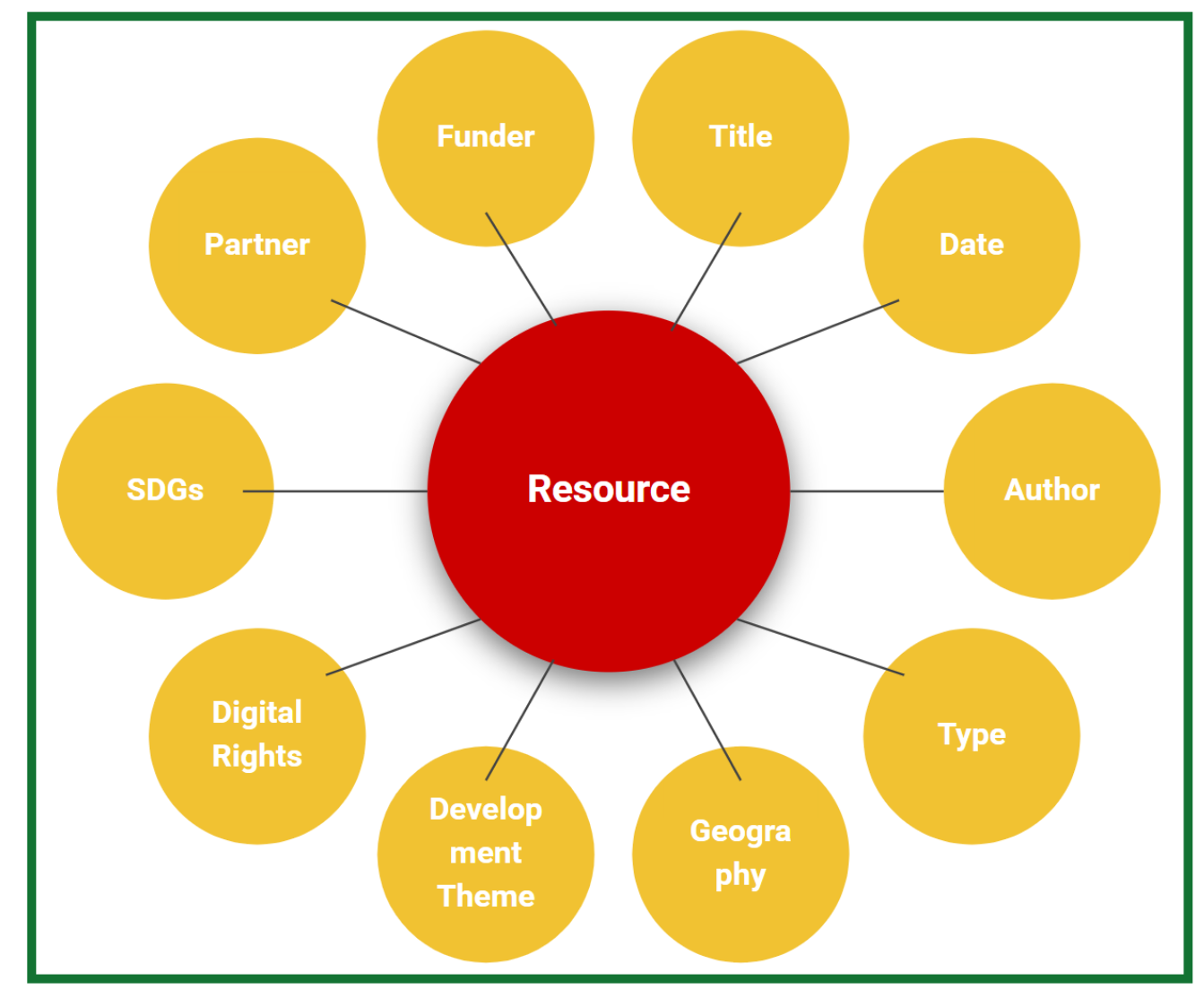
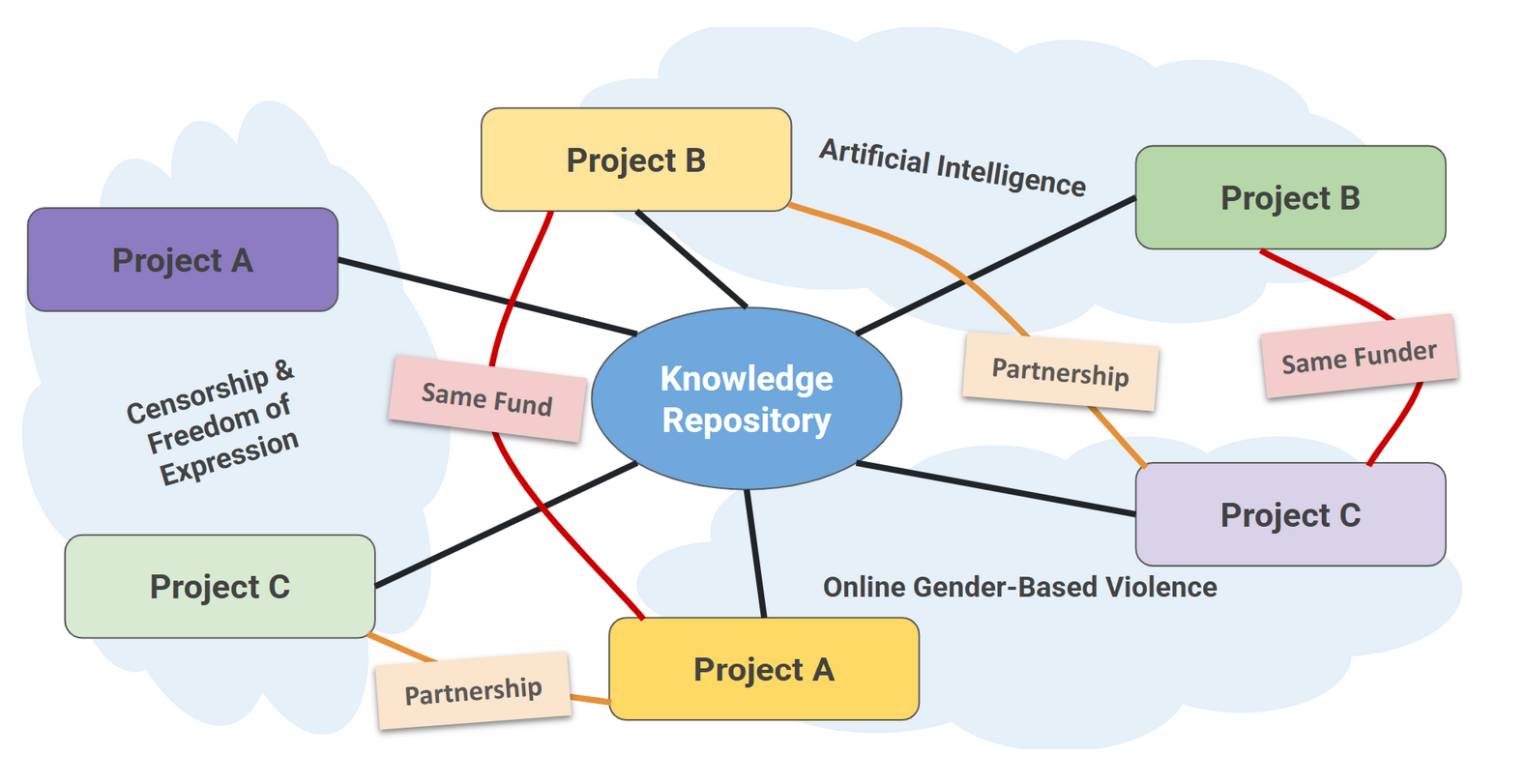
Metadata is descriptive information about other data which helps to explain, organize, and retrieve it. A simple way to think about metadata is like labels or hashtags on social media platforms: they help people quickly understand what a post relates to, and make it easier to find alongside other related content. Metadata in the context of a knowledge repository can be understood as information that is attached, or ‘tagged’ to a resource to describe what it is, what it’s about, and why it matters. It helps people find, sort, and use resources with greater ease. This can include basic information like the title, date, and author, as well as other useful details like the resource type, geography, and related development categories such as digital rights or sustainable development goals (SDGs). Metadata on partner organizations such as beneficiaries, implementers, and funders can also help break the organizational silos by providing transparency on the connected ecosystem of CSOs, all while encouraging collaboration by avoiding duplication of work and increasing visibility for all partners.

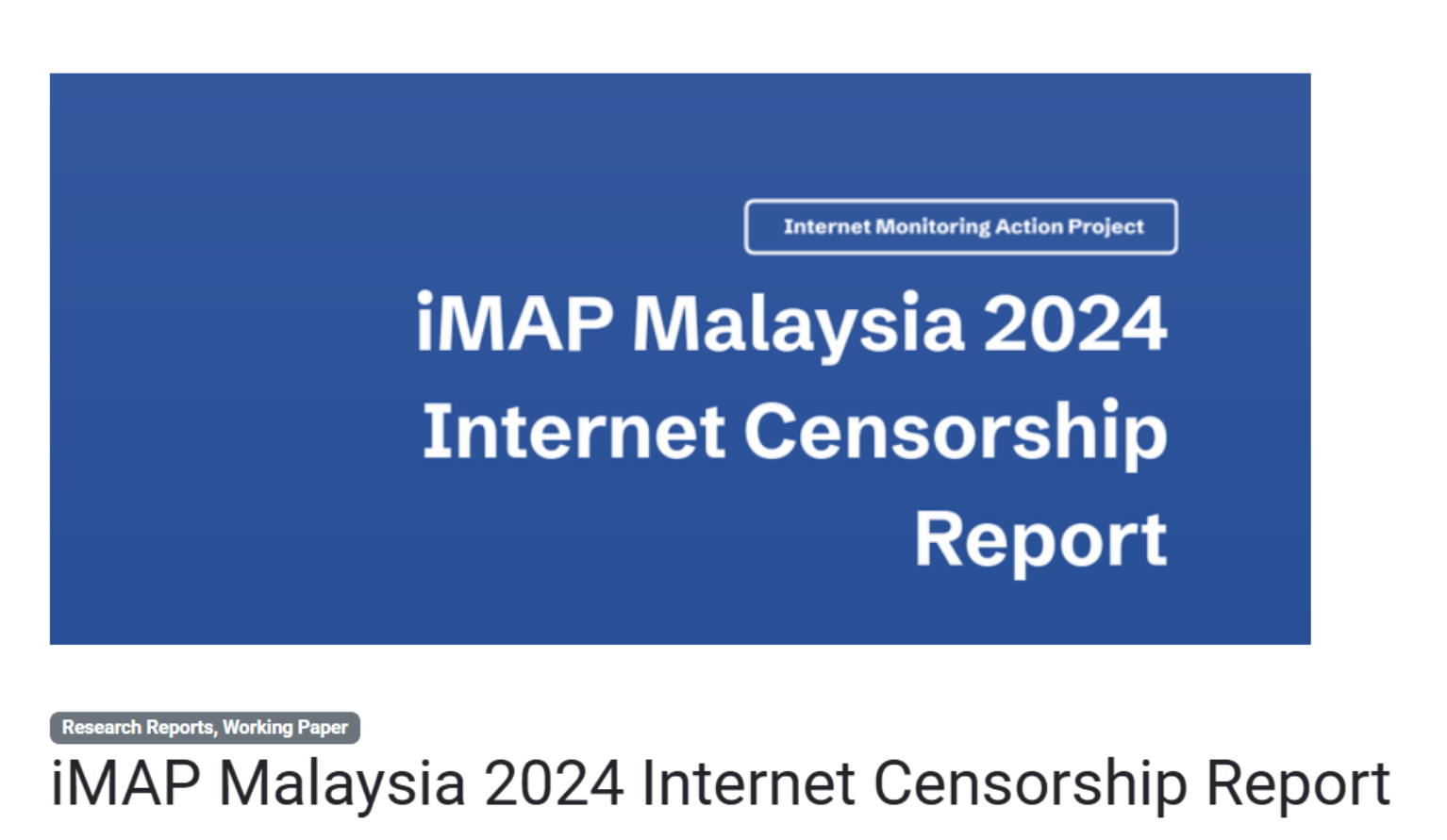
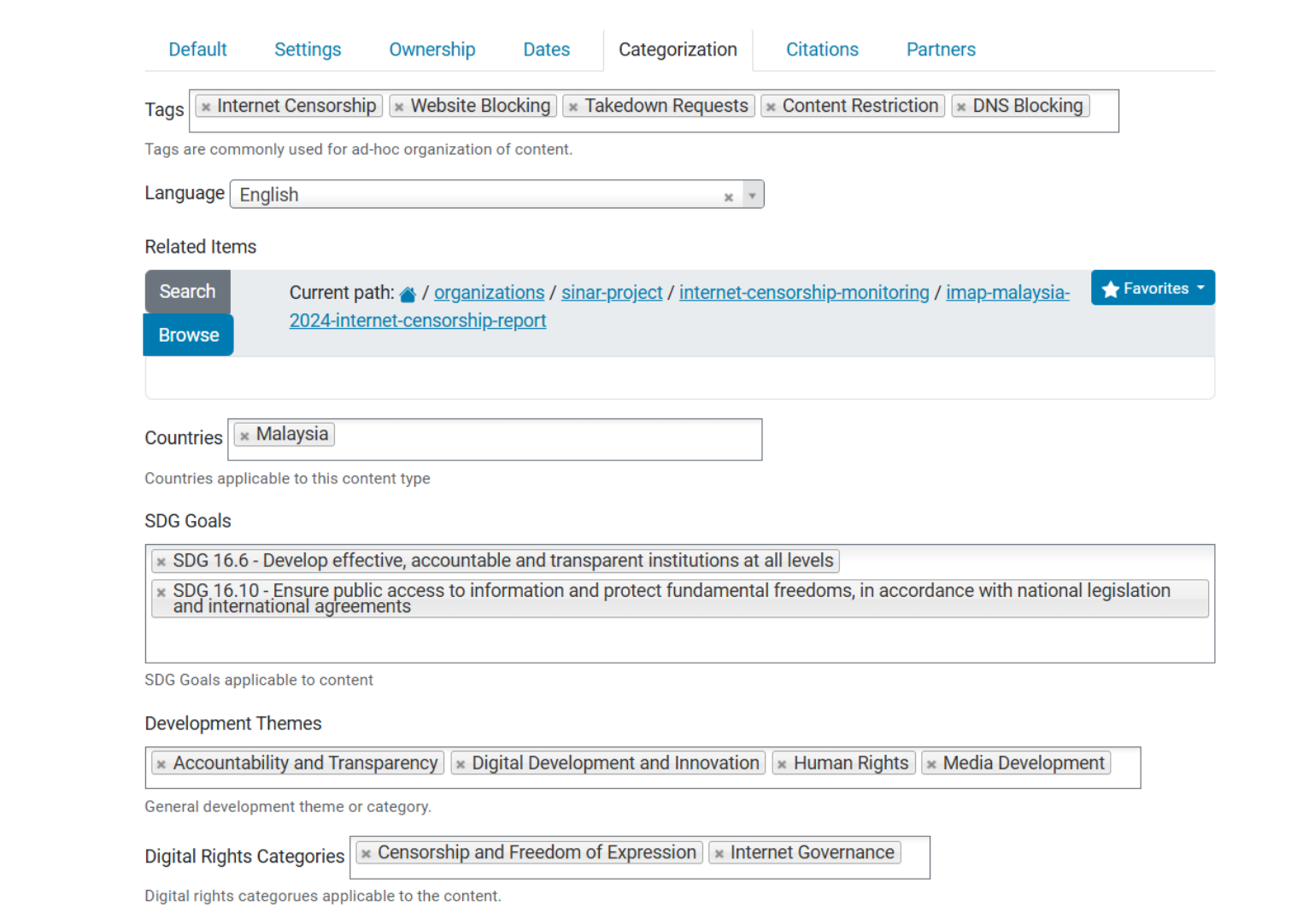
Most resources do not fit neatly into one box, topic, or category. A report might be primarily concerned with internet censorship, but it may also relate to media development, democratic participation, minority rights, and public accountability. A toolkit on digital security and safety may be relevant for child protection, online gender-based violence, and platform accountability. A good example is Sinar Project’s iMAP Malaysia 2024 Internet Censorship Report.

At first glance, it looks like a digital rights resource focused on freedom of expression and internet censorship - and it is - but it is also about media development, public accountability, access to information, and minority rights, as it documents censorship of online political criticism, news sources, and LGBTQ-related sites in Malaysia. It’s about the digital democratic space and who gets to speak, publish, and participate in public life online. Good metadata and knowledge repository help to show those connections and complexities clearly. This is especially valuable for the Enabling Tech project and Sinar Project because our goal is to make our partner organizations’ work more visible and easier to discover.

The online knowledge repository is what makes metadata truly useful. When those same resources are brought into a shared repository and tagged with detailed and thoughtful metadata, they become part of a wider ecosystem of knowledge and advocacy. Reports from a small grassroots CSO can then sit alongside a toolkit from a larger, international non-governmental organization (NGO), or a policy brief from a regional network, all connected through shared development themes, digital rights issues, funders, and partnerships. This is particularly important because smaller organizations often do excellent work, but have far less time, staff, and capacity to promote, distribute, and sustain visibility for their knowledge resources. The value of a project like the Enabling Tech website is that it helps to level that gap by creating a common space where everyone’s work can be shared and discovered by audiences who might never have found it otherwise. In that sense, it also serves as a way to amplify impact.

Good metadata also matters for organizations whose work may not be explicitly described in digital rights language, even when it relates to current digital rights issues and concerns. An environmental organization, for example, might describe their work in terms of environmental protections, land rights, and Indigenous sovereignty, and at first glance their work may not look like it relates to digital rights or technologies. But once you look deeper, the links become easier to see - data infrastructure development, land use planning, deforestation, and increased water and energy demands - the knowledge repository and metadata together help to surface those connections and make them visible. This can be especially useful for partner organizations in the current funding climate, where funders are most interested in the language of digital technologies, artificial intelligence, and digital infrastructure. Not every organization describes their work in those terms, but with thoughtful application of metadata, we can connect their work to today’s major digital rights conversations, and help organizations stay visible and relevant to funders in today’s funding climate.
In essence, by describing and organizing knowledge resources in a thoughtful way, the knowledge repository and metadata make it easier for people to discover valuable work along shared development themes and digital rights issues, and ensure that civil society and activists can reach the audiences who need it most.
Visit the Enabling Tech Community of Practice site at https://enabling-tech.asia
About Enabling Tech
Enabling Tech is a capacity building project with the goal of equipping Malaysian civil society, human rights defenders, and new activists with the necessary knowledge, skills, and tools to effectively address current and future challenges for human rights in the digital and technological space. The project aims to achieve this goal through fostering a community of practice for civic tech, providing Civic Tech Project Fellowships and Travel Fellowships, and developing training materials and curriculum of key knowledge and skills for digital rights and technology.
About the author
Heeho is a public policy professional with a strong interest in digital rights, democracy, and social justice. His work focuses on making public institutions and systems more transparent, inclusive, and accountable, as well as how policy and technology shape communities and people’s everyday lives. In his free time, Heeho enjoys gardening, trying new recipes, exploring new places, and spending time with family and friends.
| Attachments | Type |
|---|---|
| Silo Approach of Knowledge Sharing | Image |
| Resource Metadata Tags | Image |
| iMAP Malaysia 2024 Internet Censorship Report | Image |
| Resource Tags Example | Image |
| Ecosystem Approach of Knowledge Sharing | Image |
Partners